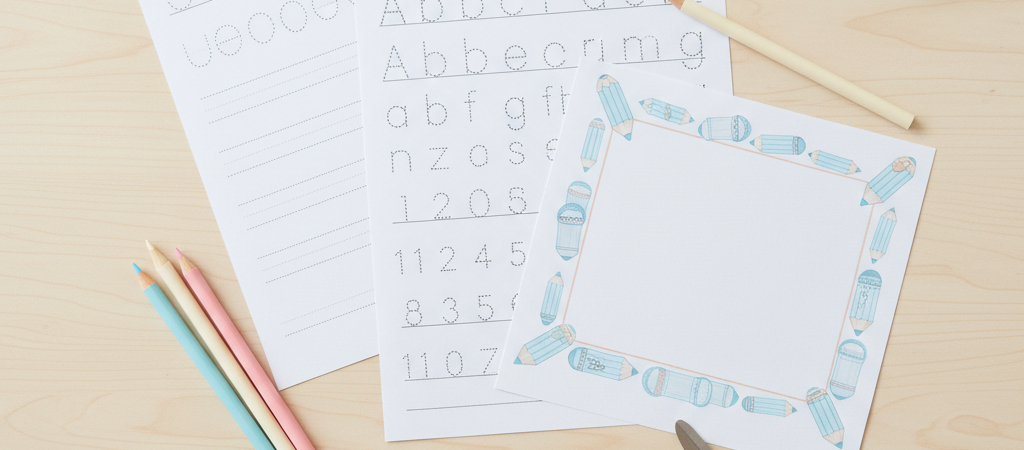
Improving student penmanship starts with the right grip. Choosing the correct writing tool can boost handwriting speed by 25% for struggling learners. Follow this guide to select the perfect pencil for your classroom or homeschool setting.
The Grip-Check Method: in practice
Why Pencil Thickness Matters
Young learners lack the fine motor strength to hold standard thin pencils. Thick triangular pencils provide a larger surface area for developing fingers.
When a child struggles to keep their grip, their handwriting letters lose consistency. A thicker base reduces the effort required for simple strokes.
- Use triangular barrels to naturally guide finger placement.
- Limit writing sessions to 10 minutes to avoid cramping.
- Introduce thin pencils only after the student demonstrates a consistent tripod grasp.
Core Hardness and Writing Pressure
Most standard pencils use a medium-soft lead. This creates smooth lines without requiring the student to press down hard.
Heavy-handed writers often snap tips frequently. Switching to a slightly softer lead grade helps them see results without extra force.
- Check lead darkness to ensure clarity on white paper.
- Replace broken tips immediately to maintain student confidence.
- Monitor for lead dust that indicates excessive pressure.
The Role of Ergonomic Grips
If you already have a box of standard pencils, don't throw them away. Ergonomic silicone grips can transform any pencil into a supportive tool.
These grips are essential for students who struggle with 3rd-grade cursive requirements. They help maintain a stable position for up to 20 minutes.
- Choose soft, latex-free grips for comfort.
- Position the grip 1 inch above the sharpened tip.
- Rotate the grip if the student begins to develop calluses.
Pros and honest limits
- Improves fine motor control
- Reduces hand fatigue
- Increases student confidence
- Specialty pencils wear out fast
- Triangular shapes don't fit some sharpeners
- Grips can become a distraction
Managing Supplies in the Classroom
Keeping track of pencils is a common challenge for teachers. Establish a daily routine to sharpen and count pencils to ensure no time is lost.
Dedicate 5 minutes at the end of the day to sharpen all tools. This prevents morning chaos when students arrive at their desks.
- Use a color-coded system for different pencil types.
- Store at least 30 pencils in a central, accessible bin.
- Label student desks with their name if they use specialized grips.
Practical comparison
| Tool Type | Best For | Grade Level |
|---|---|---|
| Jumbo Triangular | Initial Grip | K-1 |
| Standard Hex | General Writing | 2-5 |
| Ergonomic Grip | Correcting Form | 1-3 |
| Soft Lead | Low Pressure | K-2 |
Frequently asked questions
When should kids transition to thin pencils?
Transition them once they show a consistent tripod grip. This usually happens by the end of 2nd grade for most students.
How many pencils should I have per student?
Keep 2 pencils per student at their desk at all times. This accounts for broken tips or misplaced items during the day.
Do I need expensive pencils?
No, you do not need to spend extra money. Focus on the shape and the lead quality rather than the price tag.
What if my student still struggles?
Consult an occupational therapist if they continue to struggle after 30 days of consistent intervention. They may need specific exercises.
Conclusion
Selecting the right tools makes a huge difference in your student's handwriting journey. Start by testing these adjustments in your next lesson. If you found these tips helpful, download my free handwriting assessment printable to track your progress today.
Receba os melhores conteúdos no seu e-mail
Curadoria semanal, sem spam.
Related reading
Leia também
Explore the topic
More in this topic
Get the complete pack of this set — free
One email, one link, all the sheets of this topic in a single PDF. No spam, unsubscribe in one click.
What you need to print this well
- Bright white printer paper (24 lb)Markers stop bleeding through at 24 lb / 90 g.
- Dry-erase pocketsTurn one printed sheet into unlimited practice.
- Triangular beginner pencilsFixes the grip before the handwriting habit sets.
- Laminator + pouchesFor the charts and cards you will reuse all year.
Links to Amazon. If you buy through them we earn a small commission at no extra cost — it keeps every sheet on this site free.
Want the printer-ready mega packs? See the printable packs.