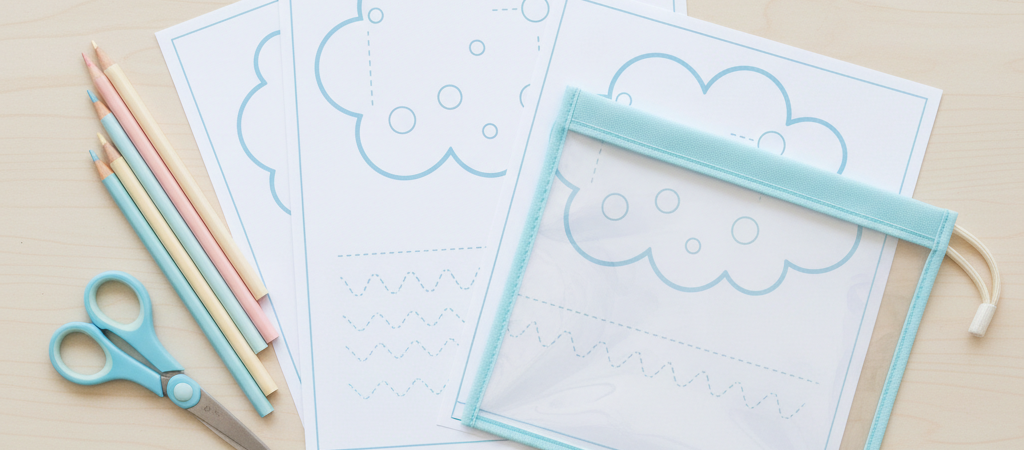
Stop printing new copies every day. Using dry erase pockets for worksheets lets you reuse every single page for at least 50 student rotations. Save your budget and your sanity with this simple classroom shift.
The 3-Step Clear Cycle: in practice
Classroom Management Benefits
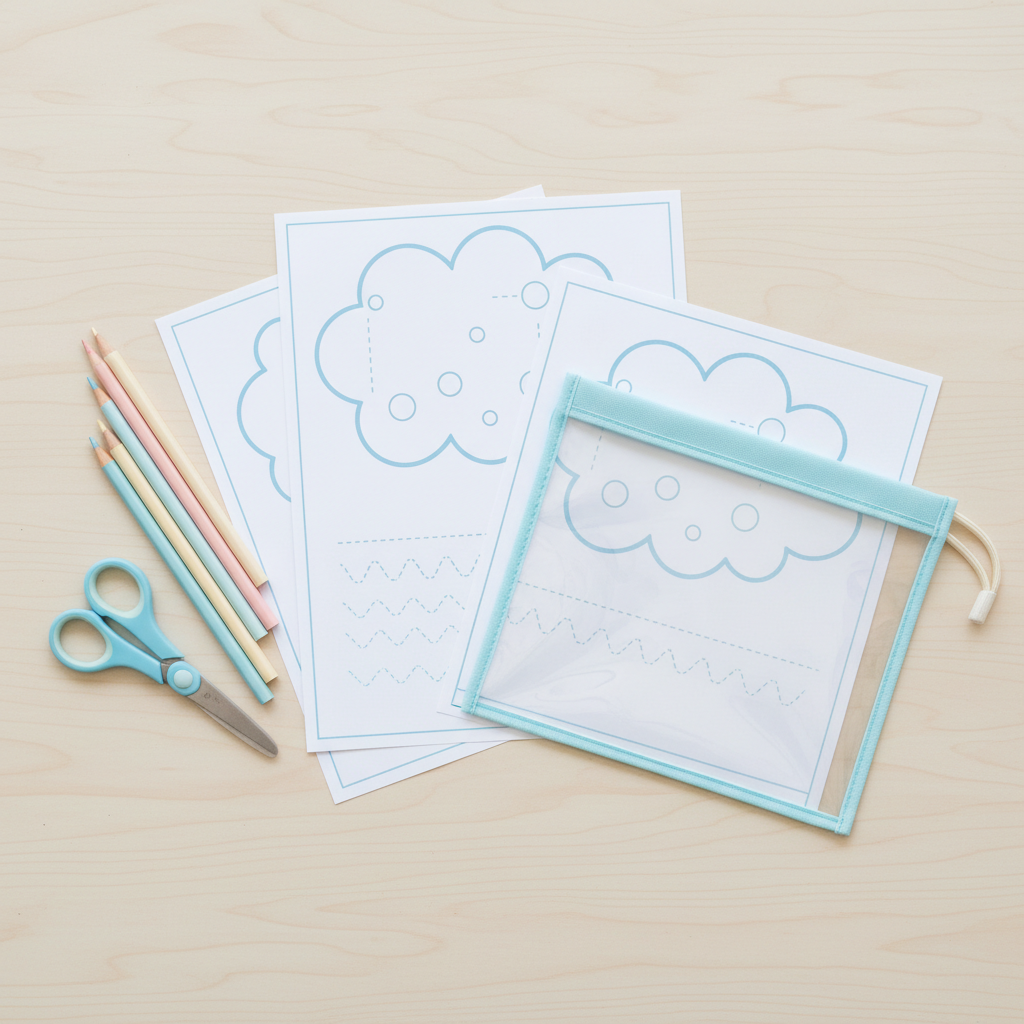
Dry erase pockets turn any static worksheet into an interactive center. You no longer need to print 30 copies for every math drill.
Keep a set of 10 pockets in a bin for quick access. This reduces your printing budget by nearly $200 per school year.
- Saves 15 minutes of prep time each morning.
- Allows for instant error correction during independent work.
- Encourages students to try harder problems without fear of permanent ink.
Differentiation Strategies
Use the pockets to provide tiered support for different grade levels. High-achievers can complete complex puzzles while others practice basic facts.
Add a transparent overlay with guided lines for younger writers. You can customize the experience for all 25 students in one group.
- Use red markers for self-correction tasks.
- Group students by skill level for center rotations.
- Provide extra space for scratch work on the back of the pocket.
Care and Maintenance
Markers tend to dry out if caps are left off for more than 10 minutes. Teach your students to hear the 'click' when closing the cap.
Avoid using permanent markers by mistake. If one gets on the pocket, use a little rubbing alcohol to clean it off instantly.
- Store pockets vertically to prevent creasing.
- Clean with a dry cloth after every 3 uses.
- Replace pockets if the edges fray after 6 months of heavy wear.
Pros and honest limits
- Reduces paper waste significantly
- Supports kinesthetic learners
- Encourages risk-taking
- Ink can smudge for lefties
- Pockets reflect harsh overhead lights
- Markers require frequent monitoring
Selecting Your Supplies
Look for pockets with reinforced stitching around the edges. Pockets that cost under $2 each often fail after just 30 days of use.
Ensure the clear plastic is thick enough to resist deep scratches. A 0.5mm thickness is the industry standard for durability.
- Choose pockets with a metal grommet for hanging.
- Buy markers in bulk to save $15 per pack.
- Use felt erasers for better cleaning performance.
Practical comparison
| Method | Durability | Cost Efficiency |
|---|---|---|
| Paper Copies | 1 day | Low |
| Laminating | 3 months | Medium |
| Dry Erase Pockets | 1 school year | High |
| Digital Tablets | 2 years | Very Low |
Frequently asked questions
Can I use these with primary grade students?
Absolutely. They are perfect for K-2 students practicing handwriting and basic math facts.
What is the best way to store them?
Keep them in a hanging file folder or a labeled plastic crate for easy student access.
Do these work with all markers?
Stick to standard dry erase markers. Permanent markers will ruin the surface permanently.
Conclusion
Dry erase pockets are the most efficient way to manage your printable library. By switching to this method, you save time, money, and trees. Start with a small set of 5 pockets this week and see the difference in your classroom flow. Browse our printable library today to find your first set of reusable activities.
Receba os melhores conteúdos no seu e-mail
Curadoria semanal, sem spam.
Related reading
Explore the topic
More in this topic
Get the complete pack of this set — free
One email, one link, all the sheets of this topic in a single PDF. No spam, unsubscribe in one click.
What you need to print this well
- Bright white printer paper (24 lb)Markers stop bleeding through at 24 lb / 90 g.
- Dry-erase pocketsTurn one printed sheet into unlimited practice.
- Triangular beginner pencilsFixes the grip before the handwriting habit sets.
- Laminator + pouchesFor the charts and cards you will reuse all year.
Links to Amazon. If you buy through them we earn a small commission at no extra cost — it keeps every sheet on this site free.
Want the printer-ready mega packs? See the printable packs.