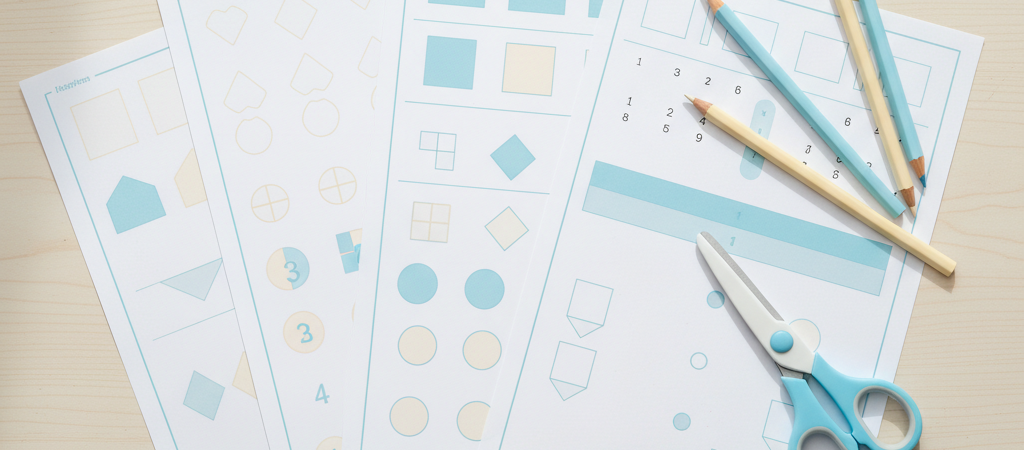
Mastering core concepts requires repetition and focus. Using the right set of cards can increase student retention by 80% in just 10 minutes of daily practice. This guide helps you choose the best flash cards for kids at every grade level.
The 3-Step Recall: in practice

Flash Cards for K-1 Learners
Kindergarten and first-grade students need high-contrast visuals. Focus on phonics, simple sight words, and basic addition up to 10.
Keep sessions under 7 minutes to prevent burnout. Focus on mastery of 5 new words per week rather than quantity.
- Use cards with large, sans-serif fonts for readability.
- Include pictures to help with word-object association.
- Limit each set to 15 cards to build confidence.
Building Fluency in Grades 2-3
At this stage, students move toward abstract math and complex vocabulary. Use cards that require multi-step thinking or word definitions.
Aim for 15 minutes of practice during transition periods. This helps bridge the gap between morning work and core lessons.
- Incorporate multiplication tables up to 12.
- Use color-coded decks for different subject areas.
- Encourage students to create their own cards for harder topics.
Advanced Sets for Grades 4-5
Upper elementary students benefit from challenge cards featuring logic puzzles or scientific classifications. These decks should encourage critical thinking.
Require students to explain their reasoning for each answer. This adds 2 minutes to the session but deepens understanding significantly.
- Focus on fraction-to-decimal conversions.
- Introduce root words to expand vocabulary breadth.
- Use double-sided cards with complex prompts on the back.
Pros and honest limits
- Increases engagement
- Portable for travel
- Builds rapid recall
- Requires prep time
- Can lead to rote memorization
- Paper sets wear down
Managing Classroom Resources
Organizing your printable sets saves you $50 a year on replacement costs. Use simple storage bins or binder rings for each grade level.
Rotate your sets every 30 days to keep student interest high. A fresh deck often leads to a 20% increase in engagement.
- Print on cardstock for durability during group work.
- Laminate sets that handle heavy daily usage.
- Keep a master index of all available printable decks.
Practical comparison
| Grade Level | Primary Focus | Session Length |
|---|---|---|
| K-1 | Phonics/Sight Words | 7 min |
| 2-3 | Multiplication | 12 min |
| 4-5 | Logic/Science | 15 min |
| All | Review | 5 min |
Frequently asked questions
How many cards should I use at once?
Stick to 20 cards per session. This is the sweet spot for maintaining focus without overwhelming the child.
Should I use color-coded cards?
Yes, color-coding helps students categorize information. It reduces the time spent searching for the right deck.
How often should we review?
Reviewing every 48 hours is ideal for retention. Short, frequent sessions beat long, weekly sessions every time.
Are printable cards effective?
Printable cards are highly effective if printed on heavy cardstock. They offer the same results as store-bought versions at a fraction of the price.
Conclusion
Implementing these strategies will transform your study sessions into powerful learning moments. Start with a 10-minute daily routine to see immediate gains in student confidence. Download our latest set of printable cards to begin your journey toward better memory mastery today.
Receba os melhores conteúdos no seu e-mail
Curadoria semanal, sem spam.
Related reading
Explore the topic
More in this topic
Get the complete pack of this set — free
One email, one link, all the sheets of this topic in a single PDF. No spam, unsubscribe in one click.
What you need to print this well
- Bright white printer paper (24 lb)Markers stop bleeding through at 24 lb / 90 g.
- Dry-erase pocketsTurn one printed sheet into unlimited practice.
- Triangular beginner pencilsFixes the grip before the handwriting habit sets.
- Laminator + pouchesFor the charts and cards you will reuse all year.
Links to Amazon. If you buy through them we earn a small commission at no extra cost — it keeps every sheet on this site free.
Want the printer-ready mega packs? See the printable packs.